Orthodontist Treatments for Crowded Teeth
Crowded teeth, in which too-closely spaced teeth result in overlapping, bunching, and twisting, can be both an aesthetic and a practical problem. An orthodontist may recommend several treatments to reduce crowding and improve tooth alignment.
What causes crowded teeth?
Genetics is a significant factor in whether an individual has crowded teeth. Some individuals have unusually large teeth or atypically small jaws, which can lead to crowding as adult teeth grow in. Crowding can also result from abnormalities around the loss of baby teeth, including losing baby teeth unusually early or having baby teeth fail to fall out in a standard fashion. In some cases, crowding can result from prior injury or unique dietary habits.
The type of tooth crowding is distinct for different individuals. Crowding can be either mild, moderate, or severe. In cases of mild crowding, only one tooth is improperly rotated; in cases of severe crowding, this may apply to most teeth in the mouth.
Types of crowded teeth
Overcrowding of the lower teeth is quite prevalent. Crooked lower teeth are common and may have several different causes. Accidents, traumas, and even habits like thumb sucking may shift teeth out of place, so misalignment is not always a result of heredity.
Correcting mild crowding in the upper or lower jaw is necessary for proper tooth development and jawbone health. A palatal expander is one option for treating overcrowding that may help avoid the need for orthodontic treatment. Visible expanders might take nine to 12 months to correct the issue completely. This issue can be fixed while the baby teeth are still in the mouth and can prevent crowding of the adult teeth. In extreme cases, the orthodontist may recommend removing teeth to make room for braces, but this is typically a last resort.
One condition is known as anterior crowding, where the four central teeth on either the upper or lower jaw are crooked. Since the incisors are some of the most prominent teeth while smiling, patients often claim that increased self-esteem is a driving factor for undergoing treatment. Realigning the incisors can also make brushing and flossing easier if patients are simply concerned about their oral health.
How can orthodontic treatment fix crowded teeth?
An orthodontist is a dental professional who focuses on misalignment in the teeth and jaw. They use various techniques to treat teeth crowding, depending on the nature and severity of the specific patient's issue.
Braces
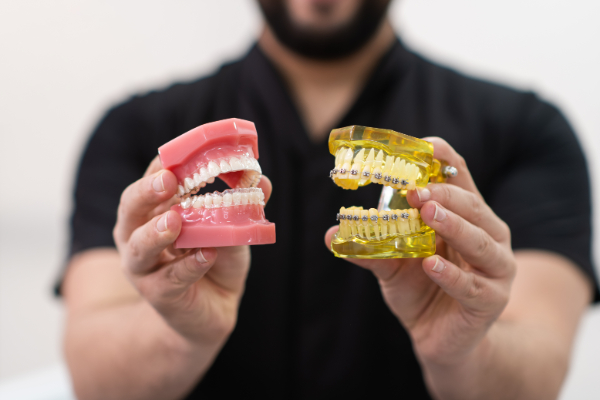
Braces are a common and well-known method of treating crowded teeth. In their most typical form, metal braces involve brackets bonded to teeth and connected by wires and may include supplementary features, such as rubber bands. Individuals of any age may wear braces, but they are particularly common in adolescents, as the jaws and facial bone structure are still developing. Braces may be worn for anywhere from several months to several years, depending on the seriousness of an individual's misalignment.
Retainers
Retainers are custom-made devices, often made of plastic and wire, that are designed to hold teeth in place. While retainers can be helpful in managing mild crowding and are frequently prescribed after braces are removed, they are insufficient to address severe teeth crowding.
Clear aligners
Clear aligners are alternatives to braces that have grown in popularity over the last several decades. These plastic trays are worn for most of the day and like standard metal braces, work to correct teeth crowding. Their removable and transparent nature makes them popular as a less-visible form of teeth correction.
Veneers
Veneers are composite additions to teeth that essentially provide a more aligned appearance. However, veneers do not move teeth and are unlikely to affect substantial crowding.
Dentofacial orthopedics
Dentofacial orthopedics comprise more intense interventions for severe crowding issues. Treatments may include headgear or in some cases, oral surgery.
The importance of treatment
Too much pressure on one's teeth might cause significant pain. Many dental issues are caused by teeth grinding together or a crooked bite. Aside from the aesthetic aspects, it is harder to clean crowded teeth. Patients may also experience discomfort in several locations, even if the malocclusion only affects a small number of teeth. See an orthodontist as soon as possible to discuss options for alleviating the discomfort.
Conclusion
An orthodontist can help address issues regarding tooth crowding. It is important to remember that crowded teeth are not just an aesthetic issue. Crowding can lead to gum and mouth diseases, jaw strain, headaches, and even problems with basic functions like chewing and speaking. Individuals struggling with teeth crowding should consult an orthodontist to discuss available treatment options.
Request an appointment here: https://nettsmiles.com or call Nett Pediatric Dentistry & Orthodontics at (623) 759-7658 for an appointment in our Phoenix office.
Check out what others are saying about our dental services on Yelp: Orthodontist in Phoenix, AZ.
Recent Posts
Sports injuries happen, and sometimes, they cause injury to the teeth or mouth. Fortunately, an emergency pediatric dentist can treat sports-related dental trauma. Their goal is not only to treat the injured tooth but also to restore and preserve the smile's overall health.There are many ways in which the mouth can get injured while playing…
Pediatric dental X-rays provide a detailed view of a child's teeth, gums, and jaw. These imaging tools help pediatric dentists diagnose potential oral health issues early on and ensure a child's dental development is on track. For parents, understanding pediatric dental X-rays can help them make informed decisions about their child's dental care.Pediatric dental X-rays…
Dental emergencies can be stressful, especially when they involve your child. Being prepared can help you stay calm and know when to contact an emergency pediatric dentist. Prompt action and medical treatment can make all the difference in protecting your child’s dental health and comfort.One of the most important things parents can do when their…
Orthodontic treatment focuses on fixing malocclusions ("bad bites") and other teeth alignment issues. This therapy can benefit people of all ages who want a straighter and healthier smile. Here is a closer look at what this treatment involves, what they can do, and things you need to know to help you decide if orthodontic treatment…