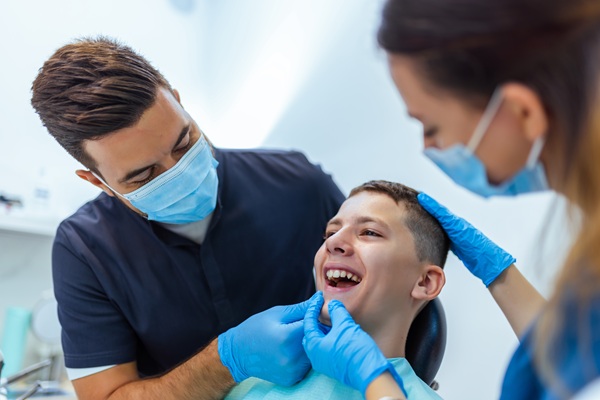
Parents who hear the term pediatric dental crowns during a checkup often feel surprised and a little anxious about what this treatment entails. However, the only difference between these crowns and adult crowns is that they are made for children's teeth. They protect and restore primary teeth damaged by decay, chips, cracks, or other issues. A clear understanding of pediatric dental crowns and how they work can make the treatment process much easier.
Why children's teeth sometimes need extra protection
A child's smile can have both primary and permanent teeth, and each one plays an important role in their oral function and daily life. Children rely on their teeth to chew comfortably, speak clearly, and feel confident in their appearance at school and at home. Healthy primary (baby) teeth guide permanent teeth into better positions and support jaw growth, while early permanent teeth begin to handle stronger biting forces. When decay, cracks, or enamel defects weaken either a baby tooth or a permanent tooth, everyday chewing can cause further breakdown and discomfort.
This is where pediatric dental crowns come in: They provide extra protection when a tooth can no longer stay strong on its own or with a dental filling. Rather than repairing multiple large areas separately, the pediatric dentist covers the entire chewing surface with a durable cap. This approach helps protect both baby and permanent teeth, often lasts longer than repeated fillings, and lowers the chance of additional treatment on the same tooth.
When a dental crown is recommended over a filling
Dental fillings work well for small to moderate cavities. However, extensive decay or fractures can leave very thin walls of tooth structure behind. Those walls can chip or break under normal chewing, especially in the back molars that bear the brunt of chewing forces. When that risk arises, a pediatric dentist usually recommends a crown as a safer alternative. Explore a couple of the most common reasons for pediatric dental crowns below.
Baby teeth with nerve treatment
Sometimes decay reaches the nerve inside a baby tooth. When this happens, pain, sensitivity, swelling, or an abscess can develop. The dentist can often perform a pulpotomy or pulpectomy, which removes the infected portion of the nerve while keeping the tooth in place.
After this tooth-saving treatment, the tooth will likely need the reinforcement of a pediatric dental crown to function properly. The crown also seals the tooth from bacteria. In short, it lets the baby tooth stay healthy enough to do its job: hold space and naturally fall out once the permanent tooth is ready to erupt.
Developmental defects and weak enamel
Some children have teeth with naturally weak or thin enamel due to developmental conditions, early illness, or certain medications. These teeth may appear chalky, pitted, or discolored and can chip easily. Dental fillings often fail quickly in this type of enamel, leading to repeated breakdowns, tooth sensitivity, and several dental visits.
In these situations, pediatric dental crowns provide more durable coverage. The crown creates a smooth, strong surface that resists wear better than natural enamel. Children often find that chewing feels more comfortable and that cold or hot foods cause less sensitivity. Parents also tend to notice that the restored tooth looks more uniform and is easier to keep clean.
What happens during an appointment for pediatric dental crowns?
Many parents worry that a crown appointment will feel complicated or uncomfortable for a child. Fortunately, pediatric dental practices design each step to be as comfortable and simple as possible. The pediatric dentist begins by gently numbing the area so that the child feels pressure but not sharp pain. Next, they remove decayed or damaged sections and shape the tooth so that the crown can fit securely.
Once the tooth is ready, the dentist selects or customizes a crown and checks the fit, bite, and contact with neighboring teeth. Parents can choose between metal and tooth-colored options. The final step is to cement the crown in place. Most children can go back to school right after the appointment, with only minor restrictions on sticky or hard foods at first.
Have questions or want more information?
Hearing that a child needs a crown can feel surprising, but the recommendation usually reflects a desire to protect the tooth, not a sign of failure on the child's or family's part. In fact, pediatric dental crowns are common treatments used to preserve and protect a young person's smile. Learn more about this common but essential dental restoration during an appointment. Contact Nett Pediatric Dentistry & Orthodontics today to get started.
Request an appointment here: https://nettsmiles.com or call Nett Pediatric Dentistry & Orthodontics at (623) 759-7658 for an appointment in our Phoenix office.
Check out what others are saying about our services on Yelp: Read our Yelp reviews.
Recent Posts
Sports injuries happen, and sometimes, they cause injury to the teeth or mouth. Fortunately, an emergency pediatric dentist can treat sports-related dental trauma. Their goal is not only to treat the injured tooth but also to restore and preserve the smile's overall health.There are many ways in which the mouth can get injured while playing…
Pediatric dental X-rays provide a detailed view of a child's teeth, gums, and jaw. These imaging tools help pediatric dentists diagnose potential oral health issues early on and ensure a child's dental development is on track. For parents, understanding pediatric dental X-rays can help them make informed decisions about their child's dental care.Pediatric dental X-rays…
Dental emergencies can be stressful, especially when they involve your child. Being prepared can help you stay calm and know when to contact an emergency pediatric dentist. Prompt action and medical treatment can make all the difference in protecting your child’s dental health and comfort.One of the most important things parents can do when their…
Orthodontic treatment focuses on fixing malocclusions ("bad bites") and other teeth alignment issues. This therapy can benefit people of all ages who want a straighter and healthier smile. Here is a closer look at what this treatment involves, what they can do, and things you need to know to help you decide if orthodontic treatment…