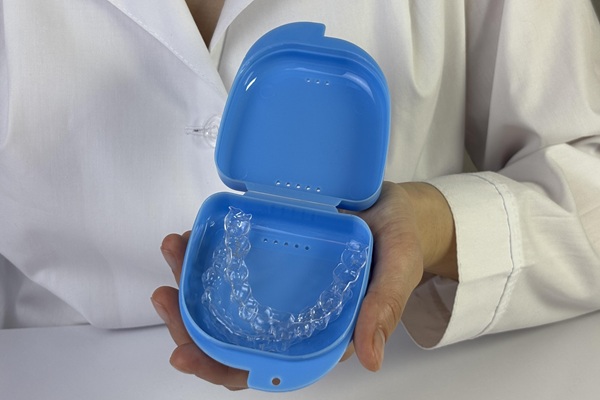
An Invisalign® dentist takes a precise, step-by-step approach to clear aligner care, outlining timelines, comfort strategies, and progress checks so patients know what to expect from start to finish. Guidance from an Invisalign dentist helps align teeth efficiently while protecting oral health, speech, and jaw function. For children and teens, collaboration with a pediatric orthodontist ensures growth and eruption patterns receive careful attention throughout the process.
Digital evaluation and custom planning with an Invisalign dentist
Treatment begins with a comprehensive evaluation that includes a bite analysis, periodontal screening, and digital scans. High-resolution imaging maps tooth positions and root orientation, allowing the Invisalign dentist to design a sequence of movements that respects biology and comfort. The plan defines the number of aligner stages, estimated wear time, and whether auxiliaries — such as precision cuts, attachments, or elastics — will improve control.
Preparing for day one
Once the plan is ready, the clinical team reviews aligner wear goals, speech expectations, and hygiene routines. Small tooth-colored attachments may be bonded to select teeth to enhance grip and direct complex movements. Interproximal reduction, when indicated, refines contact points to create space and reduce black triangles between the teeth. Each step aims to optimize biomechanics while preserving enamel and soft tissues.
Daily wear, comfort, and care
Consistent wear remains the engine of progress. Patients must wear aligners for 20 to 22 hours per day, removing them only for meals, brushing, and flossing. Mild pressure or tenderness after advancing to a new tray typically resolves within 24 to 48 hours; cold compresses and over-the-counter analgesics used as directed can help.
Patients should rinse their aligners after every removal and clean them with a soft brush and Invisalign dentist-approved cleanser. Keep in mind that due to warping, patients should not let their aligners come in contact with hot liquids.
Progress checks and course corrections
Regular check-ins with the Invisalign dentist verify that the teeth are shifting as planned. A typical visit includes:
- Fit assessment and attachment integrity checks
- Evaluation of oral hygiene, gingival health, and aligner cleanliness
- Review of wear time and speech or comfort concerns
- Confirmation of staging, with refinements or elastics added as necessary
If a tooth lags behind, the dentist may rescan and order refinement aligners to recalibrate the sequence. Early, small adjustments prevent longer delays later and help maintain predictable timelines.
Support for children and teens
Pediatric orthodontic care introduces growth considerations. Clear aligners designed for younger patients often include eruption compensation to accommodate incoming teeth and may feature compliance indicators to encourage consistent wear. The pediatric Invisalign dentist monitors airway, oral posture, and facial growth to ensure alignment integrates with health development. For athletes or musicians, aligners provide a low-profile option that pairs well with mouthguards or performance needs. Education for caregivers focuses on establishing routines, storing trays safely, and reinforcing wear habits without excessive pressure.
Managing elastics, attachments, and speech
Elastics can guide correction in overbite, underbite, or crossbite cases. Clear instructions on hook placement and wear duration improve consistency. Attachments require attentive hygiene because plaque collects more readily around contours. Angled brushing and interdental cleaning help maintain tissue health. Most patients adapt quickly to speaking with aligners in place. However, reading aloud for a few minutes can smooth minor lip smacking during the first week.
Nutrition, hygiene, and risk reduction
Aligners come out for every meal or snack that is not water. This routine naturally reduces grazing and lowers acid exposure on enamel. After eating, a quick rinse or brush before reinserting trays helps keep bacteria at bay and prevents staining. High-sugar or acidic drinks increase demineralization risk, especially when sipped frequently. Fluoride toothpaste, interdental cleaners, and regular professional cleanings remain essential safeguards during active tooth movement.
When treatment needs a pivot
Some cases benefit from temporary anchorage devices, bite ramps, or auxiliary springs. The Invisalign dentist evaluates these tools when rotations, extrusions, or midline corrections need greater precision. If a tooth cannot move within the aligner parameters, the Invisalign dentist may recommend a brief fixed appliance phase to finish a stubborn rotation, followed by a return to Invisalign. Clear communication about goals and options keeps expectations realistic and outcomes strong.
Finishing, detailing, and retention
As alignment nears completion, the focus shifts to detailing — minor interproximal shaping, attachment removal, and polishing redine symmetry and contacts. Retention becomes a priority. Custom retainers hold teeth in their new position while periodontal fibers remodel and occlusion settles. The Invisalign dentist prescribes a wear schedule that starts full-time and transitions to nighttime, with periodic checks to confirm stability, comfort, and appliance integrity.
Schedule an evaluation
With careful planning, consistent wear, and proactive monitoring, aligner therapy proceeds smoothly and predictably. Are you looking for a discreet way to straighten your teeth? Contact our office to schedule an evaluation with our Invisalign dentist.
Request an appointment here: https://nettsmiles.com or call Nett Pediatric Dentistry & Orthodontics at (623) 759-7658 for an appointment in our Phoenix office.
Check out what others are saying about our dental services on Yelp: Invisalign Dentist in Phoenix, AZ.
Recent Posts
Clear braces offer a tooth-straightening option that blends with natural teeth better than traditional metal brackets, which helps many patients feel more comfortable during treatment. These appliances can correct crowding, spacing, and bite concerns while keeping a lower visual profile. Still, understanding the benefits and limitations helps families choose a plan that aligns with their…
We all want our children to have straight, healthy teeth; clear braces for teens (or invisible braces) for teens are an excellent solution compared to traditional braces. Thankfully, modern dentistry has made major improvements in braces technology that makes them more effective and more comfortable, and invisible. Now there’s no longer a need to worry…
If your dentist tells you your child may need braces, you might consider ceramic braces an alternative to traditional metal ones. Before you make a decision that your child could be stuck with for years, though, as well as a significant financial investment, it is important to know everything you can about this option. One…
Clear braces for teens are recommended when a dentist notices that your child is developing teeth or jaw alignment issues. The American Association of Orthodontists advises taking your child for orthodontic assessment once they reach the age of 7.At this point, their smile should be fully developed and developing issues can be detected. Appliances like…