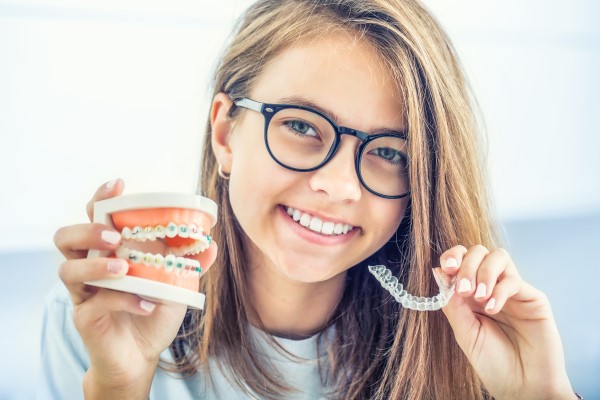
When it comes to orthodontics for kids, there are many things that parents should be aware of. Orthodontic treatments can help kids achieve a healthier and more attractive smile, but there are many factors to consider when deciding whether it is the right choice for your child. We will explore the different aspects of orthodontics for kids and provide tips on what parents should know.
When to start considering orthodontics for your child
Many parents are unsure when the right time is to start thinking about orthodontics for kids. This is the optimal time to assess your child's developing mouth and jaw structure and identify potential problems. Early intervention can be beneficial in avoiding costly and complex treatments later in life.
If your child has any of the following signs, you may want to consider taking them in for an orthodontic evaluation sooner:
- Mouth breathing
- Crowded teeth
- Overbites or underbites
- Difficulty chewing or biting food
- Teeth grinding or clenching
- Protruding teeth
- Thumb-sucking habits past the age of five
Early intervention is key to preventing more serious dental issues down the line. If your child's teeth and jaws are still developing, an orthodontist can assess the best course of action and recommend the necessary treatment plan. An orthodontist can also provide guidance on proper hygiene and how to care for your child's teeth and braces.
The different types of braces available
When it comes to orthodontic treatment, there are a variety of different types of braces available. The type that your child will require will depend on the severity of their condition and how long they need to wear braces. Here are the most common types of braces used in orthodontic treatment:
Traditional Braces
Traditional braces are the most popular type of orthodontic treatment. They are made from metal brackets, which are then connected by a wire. These braces are usually adjusted every six to eight weeks and can take up to two years to complete the treatment.
Lingual Braces
Lingual braces are placed on the backside of the teeth, making them virtually invisible. This type of brace is an excellent choice for those who want to maintain a discreet look while undergoing treatment.
Invisalign
Invisalign is a modern type of orthodontic treatment that uses clear, custom-made aligners to gradually move teeth into the desired position. Invisalign aligners are removable and can be easily taken out for eating, brushing, and flossing.
It is important to remember that each patient has unique needs when it comes to orthodontic treatment. Your orthodontist can help you decide which type of brace is best for your child's individual needs.
How long will treatment take
The duration of treatment with orthodontics can vary greatly depending on the type of braces chosen and the complexity of the problem being treated. Generally speaking, most kids will require orthodontic treatment for anywhere between 18 and 24 months. However, more complex cases can take up to 36 months or longer. Your child's orthodontist will be able to give you a more accurate estimate based on the severity of the problem.
To ensure that treatment is progressing as planned, your child will need to attend regular appointments with their orthodontist. These appointments usually occur every 6-8 weeks. During these appointments, adjustments to the braces may be made, and any developing issues will be addressed.
It is important to understand that treatment times can vary greatly, and it is not unusual for some children to finish their treatment earlier than expected, while others may take a little longer. The key to achieving the desired outcome is to follow your orthodontist's instructions and attend regular check-ups.
How to care for braces
Caring for braces is an important part of the orthodontic treatment process. Proper care of braces will help ensure that your child's treatment is as successful and efficient as possible.
Brushing
It is essential to brush your teeth at least twice a day with a toothbrush specifically designed for braces. Soft bristles and an extra-small head will allow the brush to get into all the nooks and crannies around the brackets and wires. Your child should brush for two minutes each time, paying special attention to the areas around the braces.
Flossing
Flossing is equally important for proper oral hygiene when wearing braces. Parents should help children learn how to floss around their braces so that food particles and plaque can be removed from hard-to-reach places. Special flossers, or threaders, can be used to make this process easier.
Dental hygiene visits
It is important to maintain regular dental hygiene visits during orthodontic treatment. The dentist or orthodontist will clean the teeth thoroughly and check the braces for any signs of damage or wear.
Discuss your options
By following these simple steps, parents can help ensure that their child's orthodontic treatment is as successful and efficient as possible. Reach out today to see what options may be available for the best treatment possible.
Request an appointment here: https://nettsmiles.com or call Nett Pediatric Dentistry & Orthodontics at (623) 759-7658 for an appointment in our Phoenix office.
Check out what others are saying about our dental services on Yelp: Orthodontics for Children in Phoenix, AZ.
Recent Posts
An emergency pediatric dentist may be able to replant your child’s knocked-out tooth. Rough play, falls, or contact sports are common causes of this dental issue. Bringing your child to the emergency dental clinic is necessary to correct the situation. Here are the details about visiting your emergency pediatric dentist for your child. See if…
Sports injuries happen, and sometimes, they cause injury to the teeth or mouth. Fortunately, an emergency pediatric dentist can treat sports-related dental trauma. Their goal is not only to treat the injured tooth but also to restore and preserve the smile's overall health.There are many ways in which the mouth can get injured while playing…
Pediatric dental X-rays provide a detailed view of a child's teeth, gums, and jaw. These imaging tools help pediatric dentists diagnose potential oral health issues early on and ensure a child's dental development is on track. For parents, understanding pediatric dental X-rays can help them make informed decisions about their child's dental care.Pediatric dental X-rays…
Dental emergencies can be stressful, especially when they involve your child. Being prepared can help you stay calm and know when to contact an emergency pediatric dentist. Prompt action and medical treatment can make all the difference in protecting your child’s dental health and comfort.One of the most important things parents can do when their…