What Parents Need to Know About Kids Braces
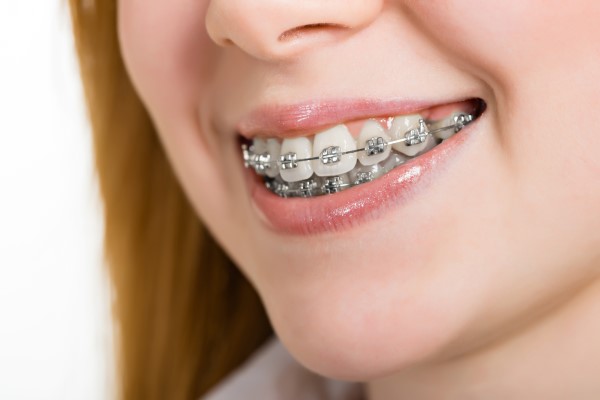
Kids braces address teeth alignment issues your child has before they have a significant effect on their development. Pediatric dentists recommend bringing in your child for their first checkup before their first birthday and having their bite evaluated before they reach age seven.
The bone and jaw structures of children are still soft at this stage of their development, making it easier for kids braces to push their teeth into a better alignment. Teeth straightening treatments can still be effective on patients of all ages, but they take longer for adults.
Important things you should know about kids braces
Many things can happen as a child’s teeth develop. Some might come in crooked, leading to bite issues and overcrowding. At times, a child’s jaw might simply not be big enough to hold all of their teeth, leading to their improper development. Some of the issues a pediatric dentist might recommend kids braces for include overbites, underbites, crooked teeth, and crossbites.
Braces work by applying a constant force that gradually moves teeth. These devices have two main components: brackets that are cemented to teeth and wires that connect all the brackets. The tighter these wires are, the more force the brackets exert on teeth.
Braces are generally the preferred method for addressing orthodontic problems in children since most are not responsible enough to use removable devices like clear aligners. These devices have to be worn for about 22 hours daily for the treatment to be effective. That is a tall task for a seven-year-old.
Appliances like braces are permanently fixed in place, so the child’s teeth are getting treated once a dentist places them. Other important things parents and guardians should know about braces for kids include:
1. Starting early has many benefits
Getting children used to biannual trips to a dentist has its benefits. It allows for preventative treatments like teeth cleanings that protect against tooth decay – the top dental issue children face. It also increases the odds of bite problems being identified early on so treatments can start as early as the child’s seventh birthday.
Most teeth alignment issues can be addressed with braces, and other tools like palatal expanders can be used to make room for a child’s adult teeth. The earlier these issues are addressed, the less likely they are to cause complications in the future.
2. Customized treatment
Braces are not a one-size-fits-all type of device. Treatment with braces is customized for each patient. The child’s unique bite is evaluated, and the braces are placed based on their individualized needs. The days of everyone having to get ugly metal braces are also long behind us now. Modern braces are designed to be thinner and less conspicuous than their predecessors, and they can be customized to suit each child’s personal style. For example, the brackets of kid braces can be made to look like baseballs, hearts, or sports logos.
3. Oral hygiene becomes more important
Good oral hygiene is crucial when anyone starts wearing braces. The brackets and wires of the device get in the way of a toothbrush’s bristles, and food can get trapped underneath them. Oral bacteria can then feast on the sugars in the foods and create acids that damage teeth. Parents should help their child get used to brushing after meals and use special flossers to clean beneath the brackets and wires.
4. Regular visits to the dentist are essential
Braces need to be periodically adjusted by dentists to ensure the right amount of force is being applied to the child’s teeth. These adjustments are typically made every one to three months. These appointments also give the pediatric dentist a chance to evaluate the child’s teeth since wearing braces makes them more vulnerable to tooth decay. It also allows the dentist to perform preventative procedures like fluoride treatments that protect against decay.
5. Treatment times vary for each child
Factors like the severity of a child’s dental issues determine how long treatment takes. Most people reach their desired alignment within 12 to 36 months of starting treatment.
6. Your child might not be able to enjoy some foods
Sticky foods like gum and chewy candy can damage braces. The same goes for hard foods like popcorn and nuts. Other foods just tend to get stuck under the brackets and wires of braces, like corn on the cob. The biting motion made when eating such foods leaves food particles and debris under the appliance, which increases the risk of tooth decay.
Transform your child’s smile
A few years of wearing braces is typically enough to drastically change how your child’s smile looks. Call or stop by our Phoenix clinic to set up an appointment.
Request an appointment here: https://nettsmiles.com or call Nett Pediatric Dentistry & Orthodontics at (623) 759-7658 for an appointment in our Phoenix office.
Check out what others are saying about our services on Yelp: Read our Yelp reviews.
Recent Posts
An emergency pediatric dentist may be able to replant your child’s knocked-out tooth. Rough play, falls, or contact sports are common causes of this dental issue. Bringing your child to the emergency dental clinic is necessary to correct the situation. Here are the details about visiting your emergency pediatric dentist for your child. See if…
Sports injuries happen, and sometimes, they cause injury to the teeth or mouth. Fortunately, an emergency pediatric dentist can treat sports-related dental trauma. Their goal is not only to treat the injured tooth but also to restore and preserve the smile's overall health.There are many ways in which the mouth can get injured while playing…
Pediatric dental X-rays provide a detailed view of a child's teeth, gums, and jaw. These imaging tools help pediatric dentists diagnose potential oral health issues early on and ensure a child's dental development is on track. For parents, understanding pediatric dental X-rays can help them make informed decisions about their child's dental care.Pediatric dental X-rays…
Dental emergencies can be stressful, especially when they involve your child. Being prepared can help you stay calm and know when to contact an emergency pediatric dentist. Prompt action and medical treatment can make all the difference in protecting your child’s dental health and comfort.One of the most important things parents can do when their…