What Happens During a Baby Root Canal Procedure?
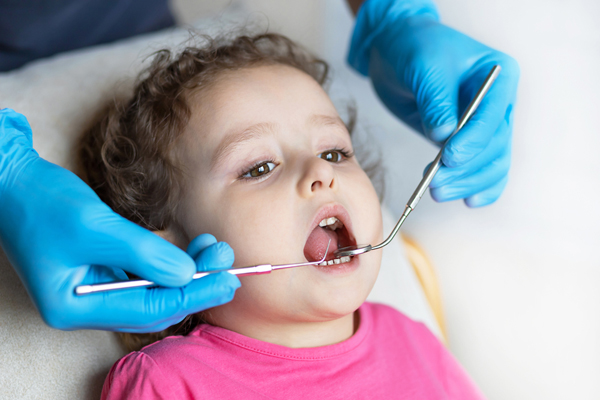
Looking for baby root canal information? Pediatric dentists are dental specialists who serve as great resources to utilize when parents are preparing their child for a pediatric root canal. Baby root canals are similar to traditional adult ones; however, they are geared toward the primary teeth, also known as the baby teeth. Of course, the procedure is altered slightly in order to accommodate younger patients as there tends to be more anxiety and fear of the unknown.
Although the term "root canal" can spark fear in parents, it is important to know that the procedure is safe, seamless, and very much needed in order to restore good oral health. Continue reading to find out more about what is involved.
What is a baby root canal?
Below is a quick overview of baby root canals, including what they are and how the treatment process works. This information can be helpful for parents who are unsure of what to expect from this procedure.
Baby root canal defined
A baby root canal is a restorative procedure that is done to combat tooth loss or bad oral health. Ultimately, the goal of the procedure is to reinstate good oral health. The procedure was once known to be invasive; however, modern-day practices have allowed for the evolution of gentler techniques, especially as it relates to baby root canals. This reduces pain during and after the procedure is complete.
The baby root canal process
Outlined below are the steps of the baby root canal procedure, which can be helpful to review in-depth prior to the child's appointment. This helps set expectations, thus eliminating any surprises later on.
- The pediatric dentist will apply a numbing agent and possibly a sedative, such as laughing gas. These are used to make sure that the child is comfortable during the baby root canal procedure
- Once the child is comfortable, the pediatric dentist can start the procedure, with the first step being the removal of the infected pulp within the baby's tooth
- The pulp is removed using a dental drill, which can cause some slight discomfort; however, with the numbing agent, the child is unlikely to feel anything at all. Pediatric dentists often administer headphones or recommend that parents bring some as the sound of the dental drill can be frightening
- After the infected pulp has been removed, the pediatric dentist will clean the inner cavity out and disinfect it. This ensures that there is nothing left behind and that the cavity is left in good condition before being fully restored
- Gutta-percha, which is a rubber material, is then used to fill the tooth and seal it off from future damage. This material is safe for the tooth and will not cause any harm.
- Finally, the pediatric dentist will place a temporary dental crown, which is typically made of composite resin
In some cases, the temporary dental crown will be used permanently as it is made of composite resin. Baby teeth do not necessarily need a permanent dental restoration since the tooth will be replaced with an adult tooth later on. However, if the child is very young, a permanent crown may be placed to ensure that the freshly restored tooth remains in good health until the adult tooth comes in.
What else to know
While baby root canals may not seem necessary since the tooth will later be replaced by an adult tooth, it is good to know that a pediatric dentist will only recommend the procedure when absolutely necessary. Having a tooth in such bad shape that it decays or falls out can lead to other problems that may affect the surrounding areas. For example, if the infected tooth completely decays and falls out, what is left is an empty space, which can cause a shift of the other teeth if the adult tooth is not coming in. This may lead to the need for additional treatment, such as orthodontic appliances. It is key to understand that baby teeth play a role in the health of adult teeth.
Does your child need a baby root canal?
When parents are preparing children for a baby root canal, it can be helpful to first visit the pediatric dentist. This gives the child an opportunity to get comfortable with their surroundings, thus making the actual procedure day much easier. To find out more about baby dental crowns and how they work, it is a good idea to contact our office today so that we can answer your questions.
Request an appointment here: https://nettsmiles.com or call Nett Pediatric Dentistry & Orthodontics at (623) 759-7658 for an appointment in our Phoenix office.
Check out what others are saying about our services on Yelp: Read our Yelp reviews.
Recent Posts
A kid-friendly dentist offers specialized care for children of all ages. During a visit with a pediatric dentist, parents can expect them to perform diagnostic services from dental X-rays to an oral examination. They may also perform a routine cleaning or general restorative work. Helping a child understand what to expect at a dental checkup…
A kid-friendly dentist can reduce the level of nervousness a child experiences while they are receiving dental care. They can also educate children in a manner that children understand and help them to create healthy habits that can carry well into their teenage and adult years. Keep reading to learn about the long-term benefits of…
Pediatric dentistry provides children with a more focused form of dental care. Seeing your dentist on a regular basis can help maintain the child’s oral health. This can help bring about more benefits in the long run. Here are the important points about pediatric dentistry that parents and children must know about.Many kids and adults…
A kid-friendly dentist educates children on how to improve their oral hygiene at home. These lessons can help as children grow older and become more independent. A kid-friendly dentist focuses on tailoring their office atmosphere and services to make it most comfortable for younger children.Every dentist has a unique way of educating their patients. These…