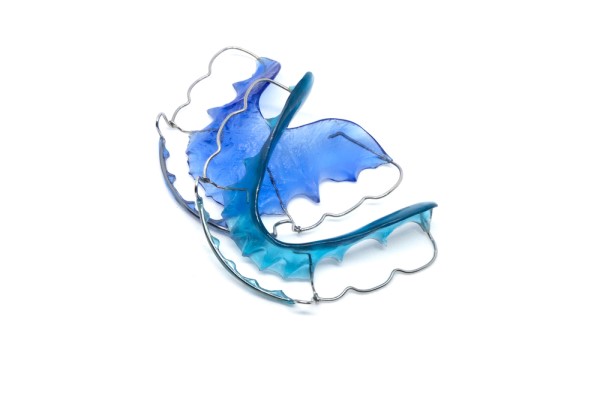
People often find themselves wondering how long they have to put up with a retainer after getting orthodontic treatments. For those who do not know what retainers are, these are orthodontic devices that are used to prevent teeth from losing their alignment after orthodontic treatment. Most people who are treated with orthodontic devices like clear braces, clear aligners, or traditional metal braces have to use retainers.
The patient might have to wear the retainer for up to 22 hours per day at first. The length of time retainers must be worn often depends on the severity of the person's alignment issues. Most people who have to wear retainers typically do so for about the same length of time as their treatment.
How long is a retainer typically used?
Retainers are used for 22 hours per day immediately after orthodontic treatment is completed. The patient might only be required to wear the retainer at night after they have used the device for about the same amount of time as their orthodontic treatment.
Many dentists recommend using retainers about three to five nights per week for the rest of the patient's life to prevent teeth from losing their alignment. The reality is, there is always a chance that a person's teeth shift to an improper position when they have had orthodontic treatments in the past. The retainer prevents that by holding teeth in place. Some types of retainers exert a force on the wearer's teeth to keep them properly aligned.
Why teeth shift after orthodontic treatment
It is simply the way teeth are designed to be. Teeth are held in place by bones in the jawbone and gum tissue. What orthodontic treatment does is essentially push the person's teeth to a more preferable position. It is possible to push teeth to a better alignment because of something called resorption. This is the softening and disappearance of bone tissue on one side of the tooth.
When the person's teeth have reached a new position, new bone tissue is deposited around the tooth to help secure it to its new position. This process can take up to a year. It is why most people who get orthodontic treatments have to wear a retainer for at least a year.
For those wondering why they have to wear retainers for longer than a year, while a person's teeth should have enough bone tissue surrounding them to hold them to their new alignment after a year, teeth tend to shift inward and forward as a person ages. It is a very slow movement that takes decades for noticeable changes. This can all be prevented by wearing retainers three to five times per week for life.
Do retainers last for life?
Retainers last for two to ten years depending on how well the devices are maintained. Those who decide to wear them for life will need to have them replaced a few times.
Frequently asked questions about using retainers
Getting towards the end of your teeth straightening treatments? Let us explore some of the questions you might have:
1. Do retainers cause pain when worn?
Retainers are custom-made for each patient, and they are designed to fit comfortably against the roof of the mouth. Patients who complain about discomfort caused by retainers are often those who fail to wear their appliance as directed. The pain is usually caused by the person’s teeth being pushed back to an ideal alignment by the retainers.
An excellent way to determine if a patient’s teeth have moved out of the targeted alignment is by examining the fit of their retainers. Anyone who feels pain caused by their retainer should schedule an appointment with a dentist so they can determine if the retainers are sufficient enough to push their teeth to a better alignment.
2. Why are retainers necessary?
Retainers allow patients to keep the results of their teeth straightening treatments. Teeth straightening treatments often take anywhere between six months to a few years, so it only makes sense to do everything you can do to keep your teeth in their new positions after treatments.
Wearing retainers becomes even more critical when straightening the teeth of children. A child’s jaw and other facial structures are still developing, so it is virtually guaranteed that their teeth will move out of their proper alignments if retainers are not used following teeth straightening treatments. Teeth start shifting back to their original positions as soon as teeth straightening treatments stop. The changes occur gradually, and it can take a few years for them to become noticeable.
Do not let all that work go to waste
Orthodontic treatment can take years, and it requires a lot of discipline on your part. Why let all that hard work go to waste when you finally have properly aligned teeth? Stop by our clinic to learn more about getting a retainer or to get fitted for one.
Request an appointment here: https://nettsmiles.com or call Nett Pediatric Dentistry & Orthodontics at (623) 759-7658 for an appointment in our Phoenix office.
Check out what others are saying about our services on Yelp: Read our Yelp reviews.
Recent Posts
An emergency pediatric dentist may be able to replant your child’s knocked-out tooth. Rough play, falls, or contact sports are common causes of this dental issue. Bringing your child to the emergency dental clinic is necessary to correct the situation. Here are the details about visiting your emergency pediatric dentist for your child. See if…
Sports injuries happen, and sometimes, they cause injury to the teeth or mouth. Fortunately, an emergency pediatric dentist can treat sports-related dental trauma. Their goal is not only to treat the injured tooth but also to restore and preserve the smile's overall health.There are many ways in which the mouth can get injured while playing…
Pediatric dental X-rays provide a detailed view of a child's teeth, gums, and jaw. These imaging tools help pediatric dentists diagnose potential oral health issues early on and ensure a child's dental development is on track. For parents, understanding pediatric dental X-rays can help them make informed decisions about their child's dental care.Pediatric dental X-rays…
Dental emergencies can be stressful, especially when they involve your child. Being prepared can help you stay calm and know when to contact an emergency pediatric dentist. Prompt action and medical treatment can make all the difference in protecting your child’s dental health and comfort.One of the most important things parents can do when their…