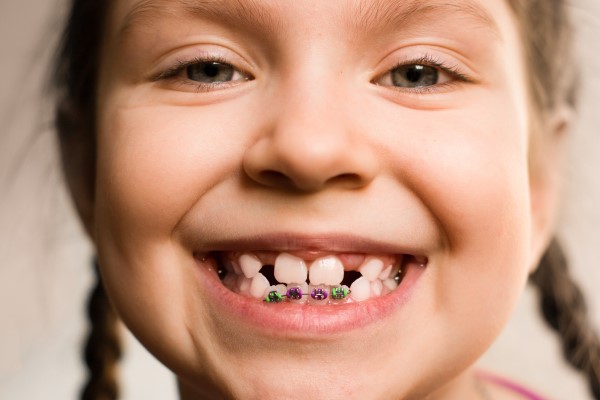
Early orthodontic therapy, otherwise called Phase 1 orthodontics, focuses on preventing more serious issues in the future. It is easier to correct certain orthodontic problems if the treatment occurs early. By correcting the jaws' structure during development, a dentist can manage the space available for permanent teeth and correct bite abnormalities. Your child's bite is set when they are seven years old, and the degree of crowding may be assessed. Continue reading to find out if the dentist will include braces in phase 1 orthodontics.
Overview of phase 1 orthodontics
Phase 1 orthodontics is a problem-solving procedure that focuses on one key issue in the oral cavity of a young child. This treatment usually lasts a year, but it can be as brief as six months or as long as eighteen months.
Treatment options for phase 1 orthodontics may include one orthodontic device like limited braces with a few baby teeth extraction. Metal, transparent, or gold braces can be used for early orthodontic therapy. A palatal expander, a thumb-sucking device, or orthodontic headgear are examples of appliances that may be recommended.
The dentist may decide to use only one of these orthodontic appliances as part of the child's phase 1 treatment. This is primarily determined by the dentist's goal for the child's treatment. Since Phase 1 orthodontics usually commences when a kid is in the mixed dentition stage, your dentist may choose to put braces on some of the baby teeth as well.
The need for phase 1 orthodontics
Early braces treatments are hands-on, aiming to address major issues before they escalate into larger issues later in life. There are several benefits to treating a kid with phase 1 orthodontics, including the ability to maximize the kid's active growing period. The dentist might take advantage of this stage of development to correct severe overbites and make room on the jaw for overcrowding.
Not all children are good candidates for phase one orthodontic therapy. Children with poor dental hygiene, tooth decay, or who refuse to follow diet restrictions while wearing braces are not good prospects. This increases the risk of the treatment causing more damage than good.
The dentist will discuss the child's eligibility for early orthodontic treatment. If the child is not yet ready, the dentist will continue to observe them to determine the optimum time to begin treatment.
The first step in determining if a child needs phase 1 orthodontics is to take them on a visit to the pediatric dentist. They will monitor the growth and development of the jaws and the eruption of the teeth at each check-up. If an issue arises, the pediatric dentist will check to see if the child needs orthodontic treatment.
In conclusion
Dental professionals recommend that a child's first orthodontic consultation happens no later than age seven. The dentist will not only monitor the child's teeth and gums to prevent decay and ensure good oral health, but they may also discover elusive skeletal developmental issues that may cause orthodontic problems. In that case, they may recommend phase 1 orthodontics, which may include the use of braces.
Request an appointment here: https://nettsmiles.com or call Nett Pediatric Dentistry & Orthodontics at (623) 759-7658 for an appointment in our Phoenix office.
Check out what others are saying about our dental services on Yelp: Orthodontics in Phoenix, AZ.
Recent Posts
If you want to help your children maintain excellent oral health, find a kid-friendly dentist who is experienced and trustworthy. Establishing regular dental maintenance can prevent the need for future procedures. Parents who have already established their children with a kid-friendly dentist can schedule appointments for routine dental procedures more quickly and easily. Although some…
A kid-friendly dentist offers specialized care for children of all ages. During a visit with a pediatric dentist, parents can expect them to perform diagnostic services from dental X-rays to an oral examination. They may also perform a routine cleaning or general restorative work. Helping a child understand what to expect at a dental checkup…
A kid-friendly dentist can reduce the level of nervousness a child experiences while they are receiving dental care. They can also educate children in a manner that children understand and help them to create healthy habits that can carry well into their teenage and adult years. Keep reading to learn about the long-term benefits of…
Pediatric dentistry provides children with a more focused form of dental care. Seeing your dentist on a regular basis can help maintain the child’s oral health. This can help bring about more benefits in the long run. Here are the important points about pediatric dentistry that parents and children must know about.Many kids and adults…