If you are seeing an orthodontist to improve your smile, there are many areas to look at and consider. You are getting orthodontic treatment so that you can feel happier about your appearance. Part of this may involve correcting jaw abnormalities and how these are linked to the alignment of your teeth. Jaw growth can also be related to other features of your face as they pertain to your smile.
How the orthodontist treats patients and improves smiles
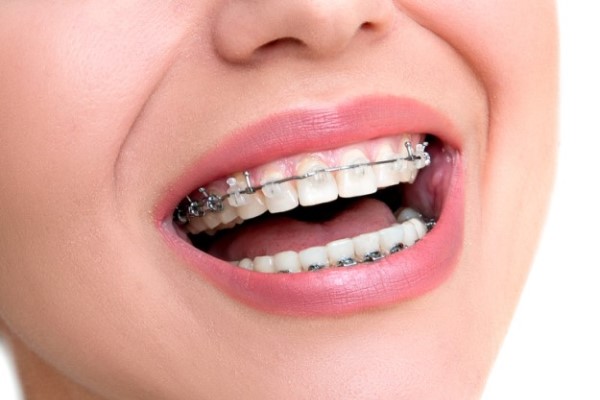
When a person begins orthodontic treatment, the staff will assess the patient’s condition. There will be a series of X-rays and impressions to determine how to improve the patient’s smile. The dentist may elect to put braces on the person. The metal brackets put pressure on the teeth, forcing them to move. Other options such as facemasks and elastics can move the jaw. Pushing it outward or pulling it inward can correct bite dysfunctions.
Factors that affect jawbone growth
An orthodontist will explore what is causing slow or inadequate jawbone growth. There are a few explanations. One can be genetics. Injuries can also play a role. People who used pacifiers or who sucked their thumbs as infants can also have jaw-growth problems. Mouth breathing is another cause.
The jaw and the person’s bite
When the patient has a jaw abnormality, a few factors can cause this. One of these is poor jaw growth or an improperly developed jaw. This could cause the lower jaw to protrude farther out than the upper jaw. This is known as an underbite. The opposite problem can also occur: the upper jaw can be farther out than the lower jaw. This is known as an overbite.
Crossbites are also possible. All three of these conditions can cause pain and discomfort for the person. It can also be noticeable to other people, making it embarrassing for the patient. Severe bite problems require extensive treatment.
The lips
An orthodontist may also be able to change the way a person’s lips work and affect the smile. When a jaw is underdeveloped, it becomes recessed. This provides little support and can cause the lips to look thin. Repairing this jaw condition can help make the lips appear fuller. This, in turn, positively affects the smile, making it look more attractive.
The cheekbone
A healthy, prominent cheekbone can improve a person’s smile. When this part of the face is not noticeable, the person may feel self-conscious and unhappy with their smile. One major cause of an absent cheekbone is poor jaw growth or development. The orthodontist can pull the jaw downward with braces or other treatments.
Facially focused correction
Correcting any jawbone problem can improve a person’s smile. The dentist will need to evaluate the patient’s jaw and facial development. The tongue should position itself against the roof of the mouth during development. This allows the upper jaw to broaden to the sides and forward. This results in a normal smile.
An open mouth posture results in improper midface growth. The lower jaw is trapped behind a midface and upper jaw. Poor oral posture like this causes changes in facial growth. It then causes sleep apnea, temporomandibular joint problems, dental crowding, and headaches.
The palatal expansion comes next after a thorough evaluation. The dentist will use dental appliances to stimulate the production of the new jawbone. Reshaping and remodeling the existing bone can enhance facial features. This treatment can improve a person’s smile and appearance. Palatal expansion broadens the upper jaw. It then allows the lower jaw to move forward.
This treatment creates enough space for proper teeth and bite alignment. It helps develop jaws and facial features. The expansion also corrects bite problems without surgery. A broad dental arch is important in achieving a proper smile and airway. Clear dental aligners can help straighten the teeth along the dental arch. A broader jawbone and straighter teeth result in a better smile.
Treating your jaw can change your smile
Your orthodontist may tell you that your teeth are not the only elements of your smile. Other parts of your face can affect this aspect of your features. Your jaw could play an important role in how attractive or unappealing your smile is. If you are concerned about these issues, make an appointment with an orthodontics office near you.
Request an appointment here: https://nettsmiles.com or call Nett Pediatric Dentistry & Orthodontics at (623) 759-7658 for an appointment in our Phoenix office.
Check out what others are saying about our services on Yelp: Read our Yelp reviews.
Recent Posts
Sports injuries happen, and sometimes, they cause injury to the teeth or mouth. Fortunately, an emergency pediatric dentist can treat sports-related dental trauma. Their goal is not only to treat the injured tooth but also to restore and preserve the smile's overall health.There are many ways in which the mouth can get injured while playing…
Pediatric dental X-rays provide a detailed view of a child's teeth, gums, and jaw. These imaging tools help pediatric dentists diagnose potential oral health issues early on and ensure a child's dental development is on track. For parents, understanding pediatric dental X-rays can help them make informed decisions about their child's dental care.Pediatric dental X-rays…
Dental emergencies can be stressful, especially when they involve your child. Being prepared can help you stay calm and know when to contact an emergency pediatric dentist. Prompt action and medical treatment can make all the difference in protecting your child’s dental health and comfort.One of the most important things parents can do when their…
Orthodontic treatment focuses on fixing malocclusions ("bad bites") and other teeth alignment issues. This therapy can benefit people of all ages who want a straighter and healthier smile. Here is a closer look at what this treatment involves, what they can do, and things you need to know to help you decide if orthodontic treatment…