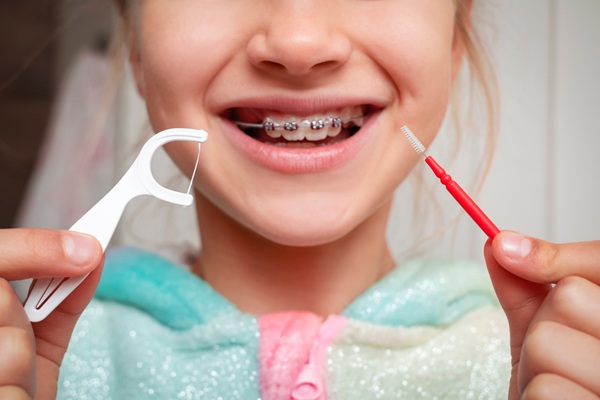
Children’s braces can correct misalignment problems at a young age. Wearing these corrective devices can also help teach kids the importance of dental care. Asking the right questions during consultation can help you understand the process. Here are three FAQs that you can ask your dentist about children’s braces.
1. Who can qualify for children’s braces?
The dentist will conduct a physical dental exam during the first visit. Ordering dental X-rays will help assess the child’s jaw, teeth, and mouth development. Asking the child about significant symptoms can determine if children’s braces can help the situation as well. Here are some target conditions that the dentist will consider:
- Pacifier use or thumb-sucking beyond two years old
- Accidentally biting the inner part of the cheek or the tongue
- Clicking or popping sound as jaws move
- Mouth breathing
- Teeth that do not meet even if the mouth closes
- Late or early loss of primary teeth
- Difficulty swallowing or chewing
2. How can parents prepare their children for children’s braces?
Research reveals that many kids have jaw or teeth misalignment as they go through growth and development. Issues to consider are overcrowding, crooked, or overlapping teeth. These can lead to malocclusions that can make dental functions difficult later in life. That is why dentists recommend children’s braces once the permanent teeth begin emerging. This enables the dentist to see the placement and development of the child’s jaws, as well as the teeth.
Discussing the treatment involving children’s braces with the dentist will allow them to understand its benefits. Talking to the child about the treatment will follow. Knowing what will happen while wearing these braces can motivate the child to follow instructions. It can also help them become more cooperative when it comes to proper oral care and diet changes.
3. What will be the necessary changes for the child?
Wearing children’s braces comes with behavioral and lifestyle changes. The child must know and understand the different aspects of the treatment. Doing so will help them go through the changes with the smile goals in mind. Some kids are active, so wearing a mouthguard as they play can prevent mouth injuries.
Diet is also an important aspect of a child’s development and growth. Giving the young patient nutritious food during the treatment is crucial. Coming up with meals and snacks that do not need much biting is ideal. Learning how to cut up food into small pieces can help the child manage at school or during gatherings.
Getting ready for children’s braces
The child will go through a significant adjustment while wearing these braces. There will be new rules and new habits to incorporate into the child’s routine. The child will also go through constant worry about one’s self-image. That is why preparing the child is necessary. The following are some tips to consider when doing so.
Bring the child during the consultation. This will allow the child to ask questions that parents may not think of. Ask the child to prepare a list of these queries. Answering each one can relieve much of the anxiety.
Talk to the child about the steps. It can be nerve-racking for the child to go to the dentist for children’s braces. Explain that the components of the treatment will take a while to attach. Keeping the mouth open for a while will be necessary. Knowing the specifics of treatment day can help the child cooperate well. Letting the child choose the color of ortho bands can help them participate in the treatment.
Prepare soft foods at home. The child will likely complain about oral pain at home. Prepare soft and liquid foods to make eating easier. Give the child ice cream or yogurt to help ease the soreness.
Always have orthodontic wax at home. Applying bits of wax on the brackets and wires can keep them from scratching the soft tissues of the mouth. Also, help the child adjust their dental care habits. Brackets and wires can make teeth cleaning extra challenging. It is important to provide cleaning materials that can help the child clean around them.
Motivate the child to concentrate on the positive aspects of the treatment. The child will be prone to awkwardness and embarrassment. Wearing children’s braces for about two years can seem like a lifetime because of the negative emotions. Talk to the child about the end results of the treatment. Explain that the braces are temporary tools for achieving a lasting smile.
Children’s braces can contribute to your child’s oral and general health
The beginning of the treatment will always be difficult. Adjusting to the children’s braces may take some time. It is your job to relieve your child’s frustrations. This is possible by always making things easier despite the significant diet and lifestyle changes. Working with your dentist can help make your child’s teeth straightening journey much easier.
Request an appointment here: https://nettsmiles.com or call Nett Pediatric Dentistry & Orthodontics at (623) 759-7658 for an appointment in our Phoenix office.
Check out what others are saying about our services on Yelp: Read our Yelp reviews.
Recent Posts
Sports injuries happen, and sometimes, they cause injury to the teeth or mouth. Fortunately, an emergency pediatric dentist can treat sports-related dental trauma. Their goal is not only to treat the injured tooth but also to restore and preserve the smile's overall health.There are many ways in which the mouth can get injured while playing…
Pediatric dental X-rays provide a detailed view of a child's teeth, gums, and jaw. These imaging tools help pediatric dentists diagnose potential oral health issues early on and ensure a child's dental development is on track. For parents, understanding pediatric dental X-rays can help them make informed decisions about their child's dental care.Pediatric dental X-rays…
Dental emergencies can be stressful, especially when they involve your child. Being prepared can help you stay calm and know when to contact an emergency pediatric dentist. Prompt action and medical treatment can make all the difference in protecting your child’s dental health and comfort.One of the most important things parents can do when their…
Orthodontic treatment focuses on fixing malocclusions ("bad bites") and other teeth alignment issues. This therapy can benefit people of all ages who want a straighter and healthier smile. Here is a closer look at what this treatment involves, what they can do, and things you need to know to help you decide if orthodontic treatment…