What You Need to Know About Early Orthodontic Treatment
The phrase "the sooner, the better" rings quite true for orthodontics. early orthodontic treatment assists with preventing serious, unfixable mouth and teeth alignment problems, or malocclusions, later on. Early treatment may also save time and money. Individuals with bite misalignments or crooked teeth should seek regular orthodontic care as soon as possible to help avoid worse complications and gain a healthier, more functional mouth.
The importance of early orthodontics
You use your mouth and teeth every day to eat, speak, and express emotion. If your bite or teeth are off, these daily tasks can become more difficult, uncomfortable, and even painful or impossible. Continually use usually makes these problems worse too. Orthodontists can discover and fix many of these malocclusion issues early on and possibly prevent the need for surgery or other expensive, intensive treatments. Taking care of these ailments sooner rather than later also often decreases the amount of time that many early orthodontic treatments take, which normally equates to greater cost savings and less discomfort overall.
Common kinds of early orthodontic treatment
Orthodontists first perform bite inspections to determine what treatments to use. Here are some of the most commonly used orthodontic apparatuses.
Braces
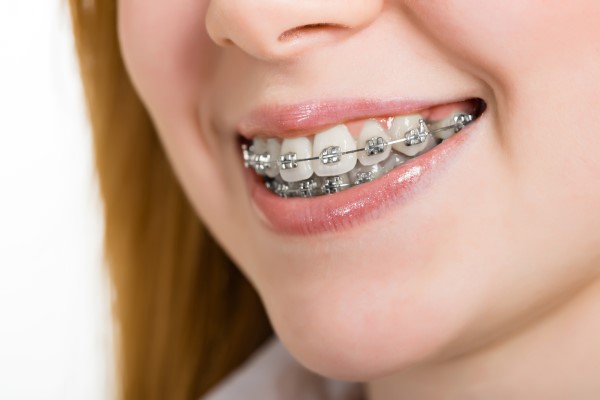
Braces are small metal or ceramic brackets that orthodontists glue onto tooth surfaces. They are attached together using wires and rubberbands of varying strength, color, and size. The point of braces is to put gentle constant pressure on teeth to move them a little at a time. Over a set period, orthodontists will adjust and readjust the braces at each visit until your teeth look and feel properly aligned. Braces are especially helpful for early orthodontics as younger teeth and mouths tend to manipulate more easily and, thus, often feel less discomfort.
Clear aligners
Clear aligners are essentially transparent plastic removable braces. They consist of a series of plastic trays that fit each individual's teeth during each stage while simultaneously performing slight modifications to each tooth's placement and the overall bite. Orthodontists take periodic molds of the teeth and mouth to ensure that the clear aligning trays work appropriately at each stage. Many people like the idea of these removable trays over fixed braces because they find it easier to care for their teeth and they are not visible, unlike most traditional braces.
Retainers
Retainers are designed to keep teeth in place after braces are removed or clear aligner series are finished. They are generally made of metal and plastic or just plastic. Some retainers are removable, and some are not. Fixed retainers are generally strips of metal or plastic that orthodontists bond to the backside of the teeth they are maintaining. Orthodontists also use retainers instead of braces to make one or two minor adjustments, such as closing a single gap between teeth or slightly straightening just one or two teeth at a time rather than an entire bite.
Conclusion
Early orthodontic treatment, particularly in younger, more malleable mouths, is a great way to fix some current alignment problems and prevent worse issues down the road. Straighter teeth and bites regularly make for healthier mouths and happier people too.
Let us help you take the first steps to better alignment. Contact our office today to schedule an early orthodontic consultation for you or your child.
Check out what others are saying about our dental services on Yelp: Early Orthodontic Treatment in Phoenix, AZ.
Recent Posts
An emergency pediatric dentist is dedicated to providing quick, comprehensive care to help restore your child's oral health. This, in turn, provides parents peace of mind when unforeseen circumstances occur. Take a look at a few reasons we may work your child up the appointment list.Bleeding gums are usually a sign of gum disease, a…
Seeing an emergency pediatric dentist is always a stressful experience for any parent and child. Even so, it is still important to know when to do so. Many situations may cause dental issues. Finding out if your child has a dental emergency can motivate you to act quickly. Here are the details on when you…
As dental professionals, we often receive questions about dental fillings for kids. We are glad to answer because caregivers who have more information about dental procedures are in a position to make better oral care decisions for their children. This guide answers a few of the most common questions that parents and guardians have.Here are…
Our emergency pediatric dentist is available to help your child when unforeseen incidents or symptoms threaten their oral health. While not every dental condition requires an emergency visit, some do, and it is important that they receive prompt treatment to prevent the condition from becoming irreversible. Let us look at what qualifies as a pediatric…